Today Anykščiai is known as a town of literature, culture, and tourism, but its history began well before the name Anykščiai was first recorded in historical documents.
The old times of the Anykščiai region
People have lived in the Anykščiai area for a very long time. Archaeological finds attest to settlements dating back to the Stone Age, and in later periods this region was also important because of its geographic position.
The Anykščiai area has a good number of hillforts. One of the best known is the Šeimyniškėliai hillfort, near the town. In the Middle Ages this site was part of a defensive system that protected the region from enemies.
For a long time it was hypothesized that the Šeimyniškėliai hillfort might have been the site of the Voruta Castle from the time of Mindaugas. Today this theory is not considered proven, but the hillfort itself remains an important witness to the medieval history of the Anykščiai region.
The Šventoji river was also important to the Anykščiai region. The river was long not only a part of nature but also a transport route. Trade routes connecting different parts of Lithuania with other lands passed through the region.
The first mention of Anykščiai
In written historical sources, Anykščiai is first mentioned in the mid-15th century. Official sources on the history of Anykščiai cite the year 1440 or 1442.
At that time Anykščiai was part of the domain of the Grand Duke of Lithuania. The settlement grew in a convenient location by the Šventoji river and trade routes, and its importance gradually increased.
In the second half of the 15th century, Anykščiai is already mentioned as a town. Later it developed into a center of trade and crafts, and the town's life increasingly concentrated around the main settlement and its church.
The Anykščiai church and the town's growth
Religious life in Anykščiai began taking shape as early as the 15th century. The first wooden church was built in the mid-15th century.
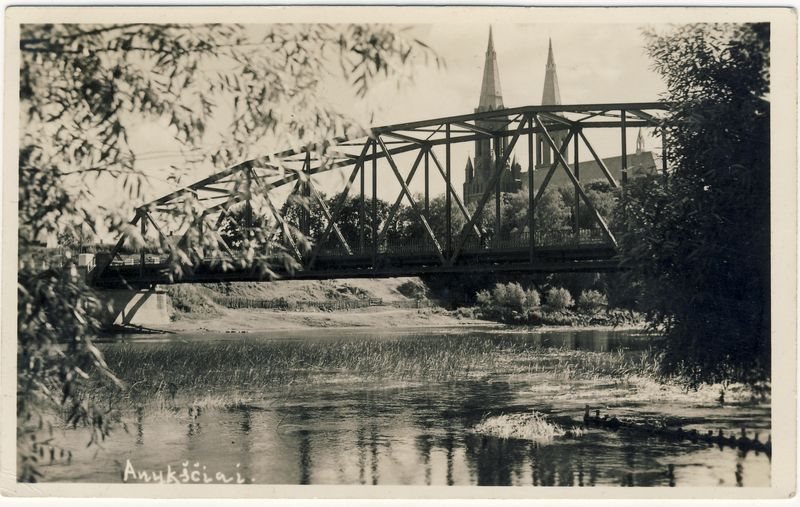
Over the centuries the church was repeatedly damaged by fires. The current town skyline is most defined by St. Matthew the Evangelist's Church, built in the early 20th century. Its tall towers became one of Anykščiai's most recognizable symbols.
The church and its surroundings remain an important part of the town's historic core to this day.
The town gains its rights
Life in Anykščiai became especially active in the 16th–18th centuries. The town became a center of trade and crafts, with markets, craftsmen, and merchants.
On 17 January 1792, Anykščiai was granted town rights and a coat of arms. This was a significant event in the town's history.
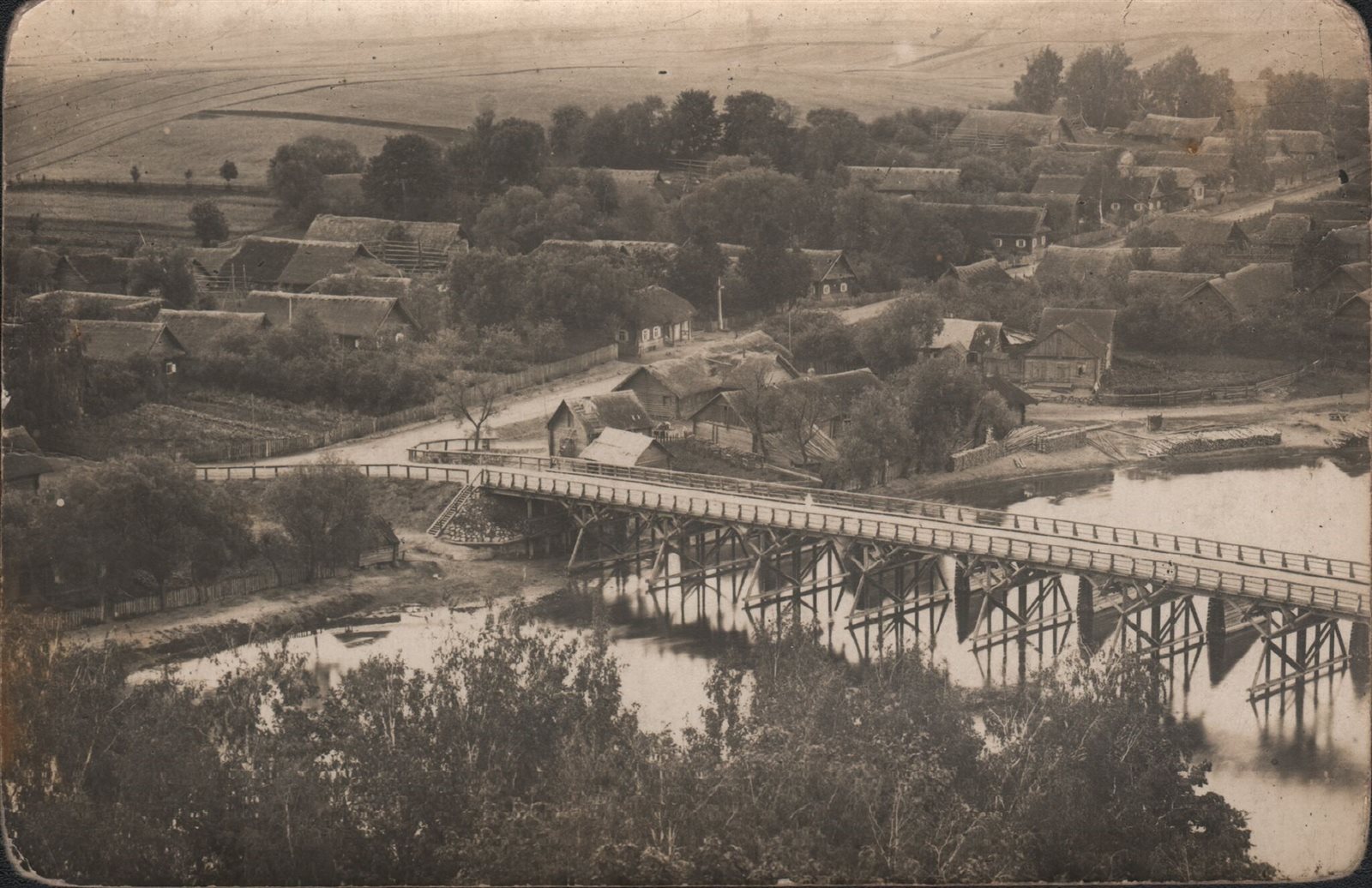
The Anykščiai coat of arms depicts a bridge and St. John of Nepomuk. This symbol was not chosen by accident — the bridge over the Šventoji was very important to the town, and St. John of Nepomuk is considered the patron saint of bridges.
The town's rights were revoked in the 19th century, but Anykščiai remained an important local center regardless.
The 19th century — a period of change
The 19th century was a difficult period for Anykščiai, as for all of Lithuania. After the partitions of the Polish–Lithuanian Commonwealth, the region came under the rule of the Russian Empire.
Anykščiai grew, and its urban structure changed. More brick buildings were constructed in the town, and marketplaces, craft workshops, and religious communities were active.
During this period, the Anykščiai region was also connected to the 19th-century uprisings. During the 1863 uprising, a weapons workshop operated in Anykščiai.
Yet by the end of the 19th century, modernization also reached the town.
The railway transforms Anykščiai
One of the most important events in the town's history was the arrival of the narrow-gauge railway.
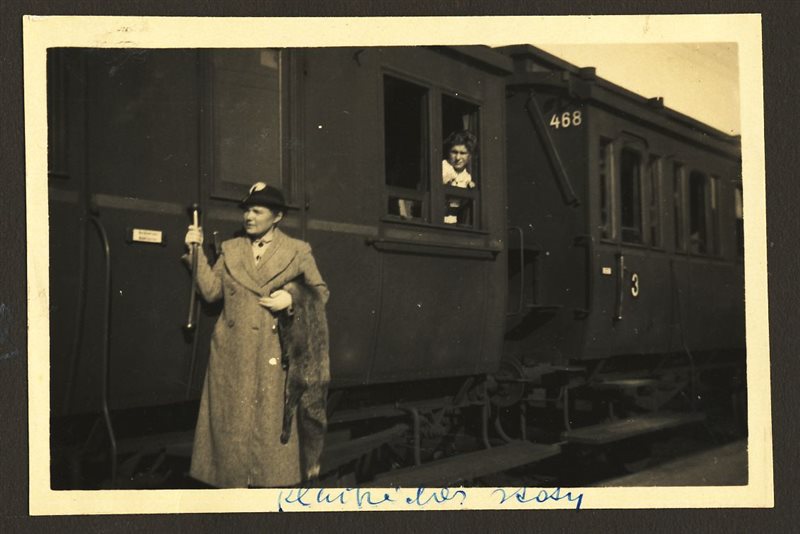
In the late 19th century, a narrow-gauge railway running toward Panevėžys–Švenčionėliai was built through Anykščiai. The railway gave the town new opportunities — it became easier to travel, transport goods, and maintain connections with other Lithuanian towns.
Today the narrow-gauge railway has become an inseparable part of Anykščiai's identity. It is one of the few surviving railway heritage sites of its kind in Lithuania, and the tourist train lets visitors experience part of this history.
The early 20th century
In the early 20th century, Anykščiai continued to grow. In 1909, the current neo-Gothic St. Matthew's Church was built, becoming a defining part of the town's skyline.
Schools, various organizations, craftsmen, and businesses developed in the small town. A junior high school (progymnasium) was founded in 1920, and during the interwar period Anykščiai gradually became an important local center of culture and economy.
At the time the town was also closely tied to agriculture, trade, and local crafts.
In 1938, Anykščiai was granted town rights. Before World War II, the town had a population of about 4,000.
Anykščiai during the war
World War II left a painful mark on Anykščiai's history.
During the Holocaust, a large part of the Anykščiai Jewish community was destroyed. In 1941, about 1,500 residents were murdered, most of them Jewish. This page of history is a painful but very important part of the town's past.
In 1944, Anykščiai suffered severe damage from the fighting. Both bridges over the Šventoji were blown up, and part of the town center and the Užupis area was destroyed. Life in the town was severely disrupted.
Anykščiai during the Soviet era
After the war, Anykščiai was rebuilt and gradually changed.
In 1946, the town became a district-level administrative center. In the following decades, industrial enterprises developed in Anykščiai, and residential districts, cultural, and civic buildings were built.
In 1968, the "Kvarcas" sand enrichment plant began operating, a house of culture and new residential quarters were built. The town became not only a historical and cultural center, but also an industrial one.
At the same time, Anykščiai's cultural identity was preserved.
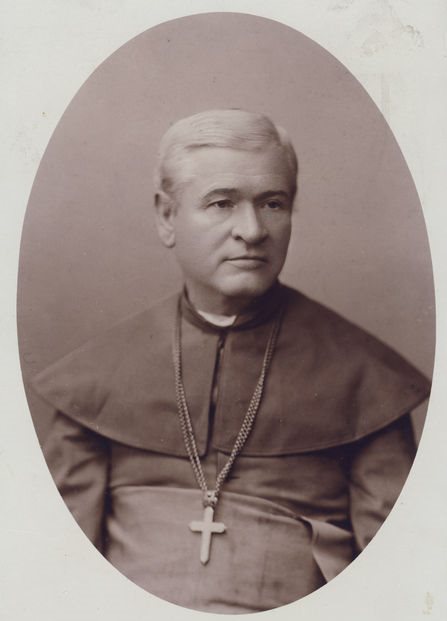
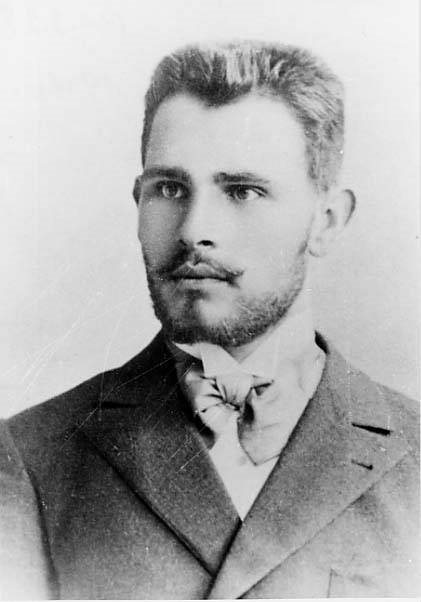
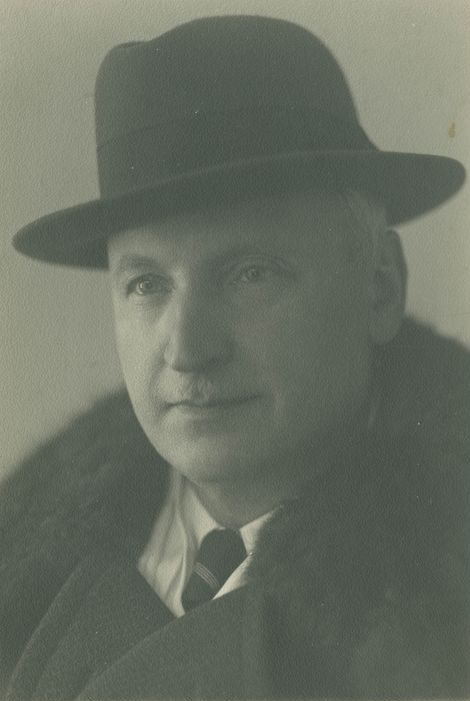
The town's literary tradition became especially important. The memory of Antanas Baranauskas, Jonas Biliūnas, Antanas Vienuolis, and other writers was gradually enshrined in museums, memorial sites, and cultural events.
Independent Anykščiai
After Lithuania restored its independence, Anykščiai began a new chapter in its history.
The town devoted increasing attention to cultural heritage, tourism, nature, and culture. Historic sites were restored, tourist routes were created, and Anykščiai's literary identity was strengthened.
In 1992, the new Anykščiai coat of arms was approved.
Anykščiai also became one of the most important tourism centers of Aukštaitija. The nature surrounding the town — the Šventoji valley, the Anykščiai pine grove, Lake Rubikiai, hillforts, and other natural and cultural treasures — became an important part of the town's future.
In 2007, Anykščiai was granted resort-territory status, and in 2012 the town became Lithuania's Capital of Culture.
Anykščiai today
Today Anykščiai is a town where history is not shut away in a museum. It is alive in the town's streets, buildings, landscape, and people's stories.
Here you can visit St. Matthew's Church, the old part of town, Antanas Baranauskas's cabin, Antanas Vienuolis's memorial house, Jonas Biliūnas's birthplace, the Šeimyniškėliai hillfort, and many other places.
Anykščiai's history is also inseparable from literature. The writers and poets who lived and worked in this region made the town one of the most important centers of Lithuanian literary memory.
That's why Anykščiai can be experienced in several different ways: as an old Lithuanian town, as a land of literature, as a center of Aukštaitija's nature, and as a living town of culture.